T
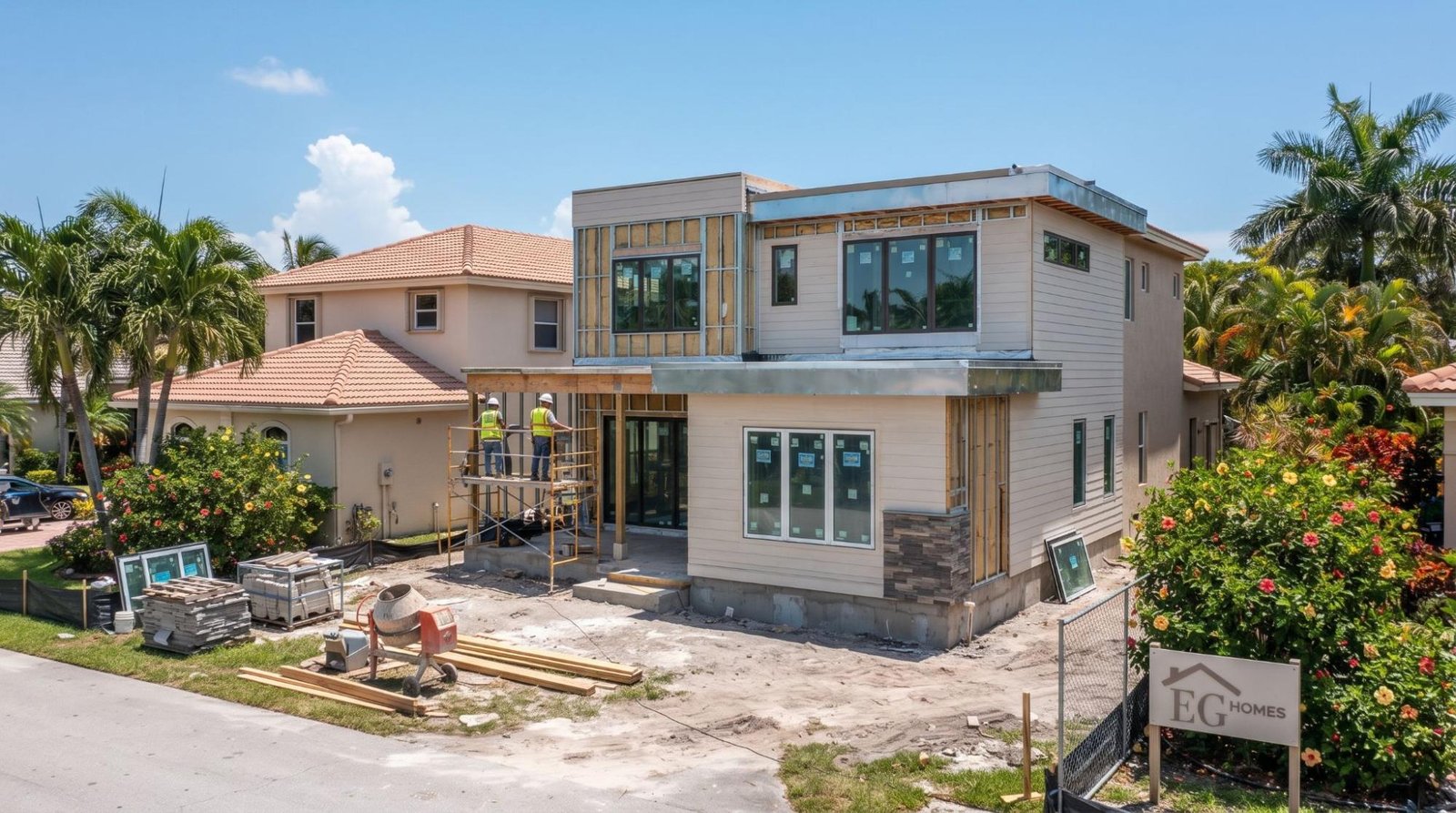
The roofing stage is a critical phase in home construction because it protects the entire structure from weather, heat, and moisture. After framing is completed, the roof is installed to create a secure covering for the house. In South Florida, where heavy rain, humidity, and storms are common, proper roofing is especially important for long-term durability.
Builders like EG Homes Florida (Delray Beach) ensure roofing systems are designed and installed according to local climate conditions and building codes.
This guide explains the complete roofing process step by step.
1. Roof Framing and Structural Support
The roofing process begins with roof framing.
This includes installing trusses or rafters that form the shape of the roof. These structural elements are connected to the house frame and distribute the roof load evenly across the walls.
A strong roof frame is essential for safety, stability, and durability.
2. House Roof Construction Step by Step
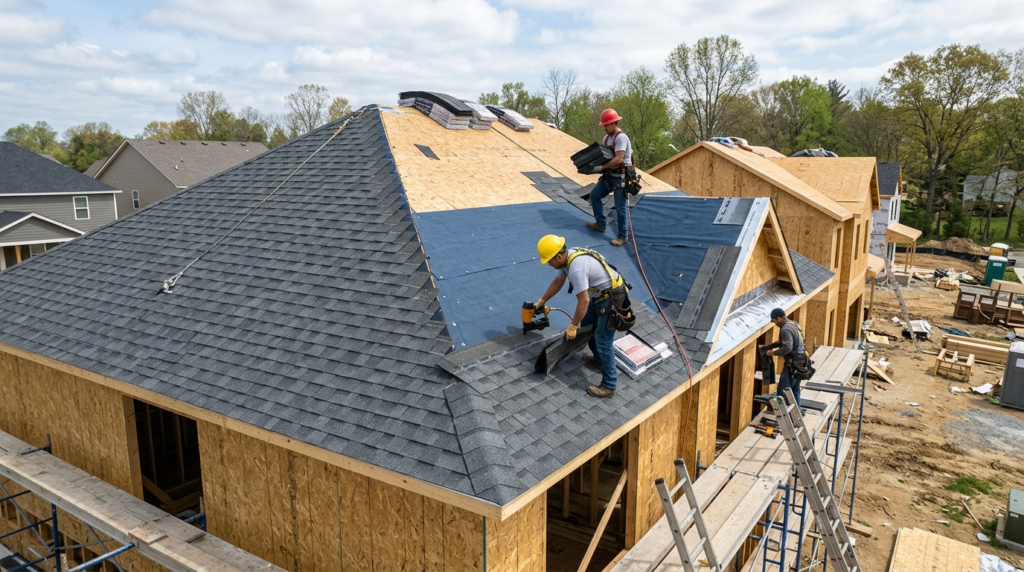
The roof construction process generally follows these steps:
- Roof framing installation
- Sheathing (base layer installation)
- Waterproofing underlayment
- Roofing material installation
- Final sealing and inspection
Each step ensures the roof is strong and weather-resistant.
3. Types of Roofing Systems for Houses
Different homes use different roofing systems based on design and climate:
- Shingle roofing (common in residential homes)
- Metal roofing (durable and long-lasting)
- Concrete roof slabs (strong and commonly used in South Florida)
Each system offers different benefits in terms of cost, durability, and maintenance.
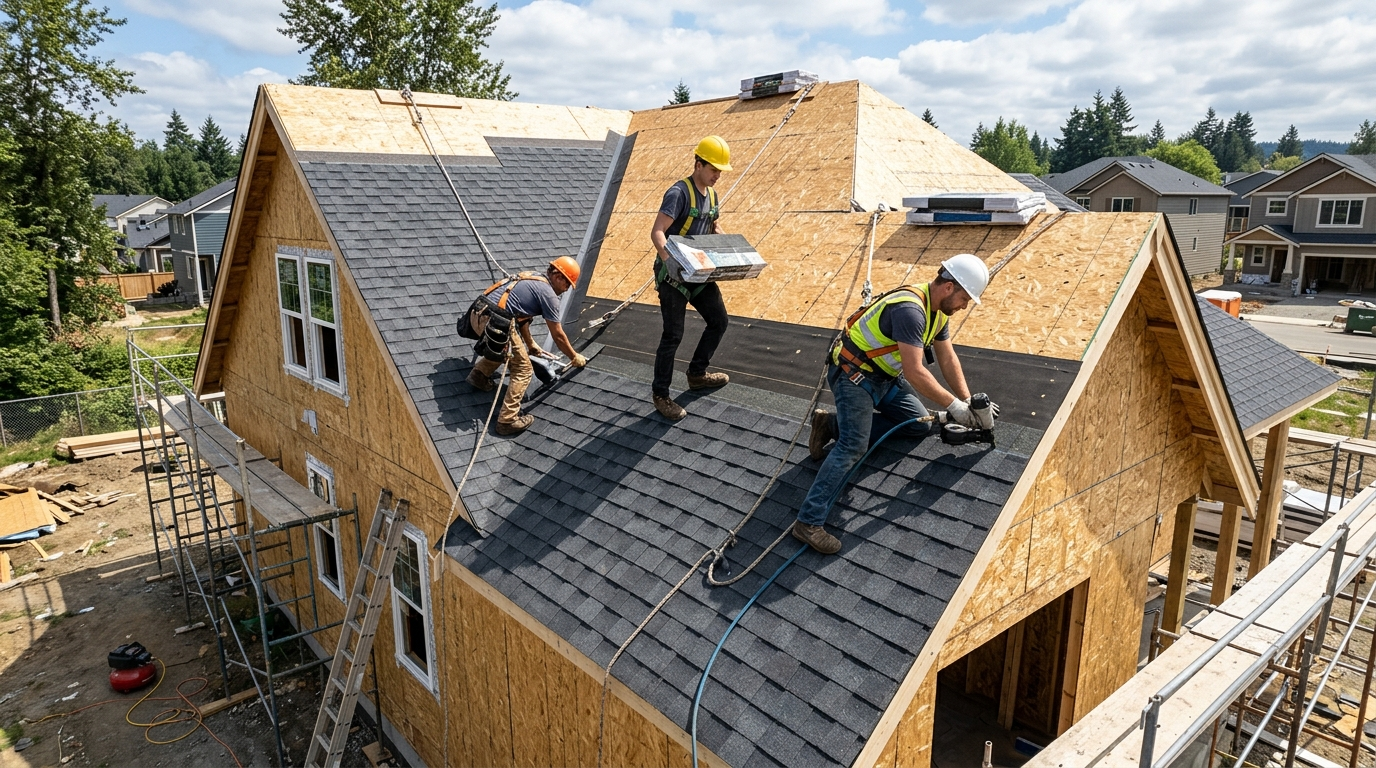
4. Shingles Installation Process Explained
Shingle roofing is one of the most widely used systems.
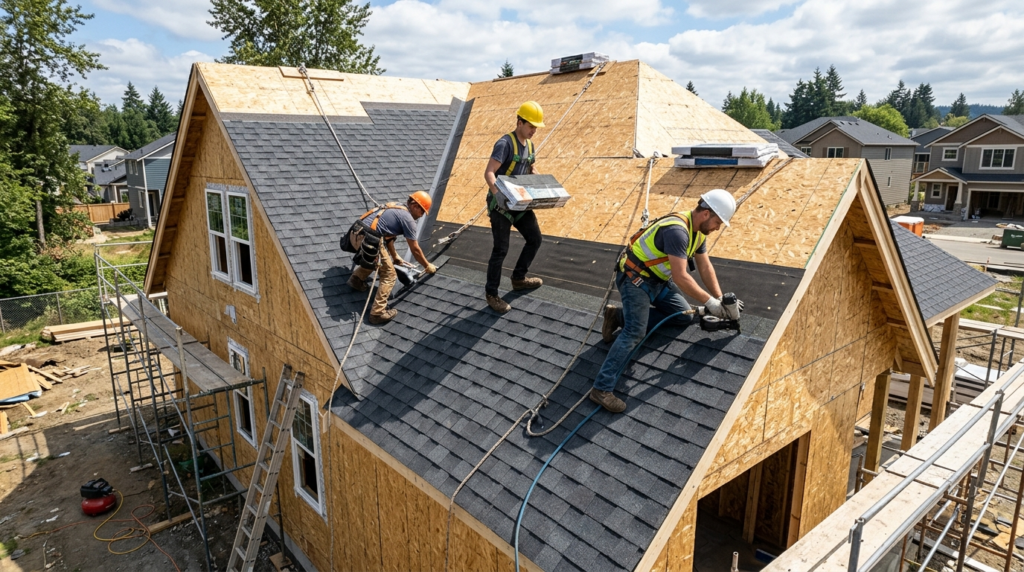
Shingles are installed in overlapping layers starting from the bottom of the roof and moving upward. This overlapping design helps prevent water penetration.
Proper installation ensures weather resistance and long-term protection.
5. Concrete Roof Slab Construction Steps
In many South Florida homes, concrete roof slabs are used due to their strength.
Concrete is poured over a reinforced steel structure and allowed to cure properly. This creates a solid, flat roof surface.
This type of roof is highly durable and resistant to storms.
6. Metal Roofing Installation Guide
Metal roofing involves installing large metal sheets or panels over the roof structure.
These panels are fixed securely and sealed to prevent leaks. Metal roofs are lightweight, durable, and highly resistant to harsh weather conditions.
They are often used in modern residential construction.
7. Waterproofing in Roof Construction
Waterproofing is one of the most important parts of roofing.
A protective layer is applied beneath or on top of roofing materials to prevent water leakage. This is especially important in humid and rainy climates like South Florida.
Proper waterproofing increases roof lifespan significantly.
8. Roof Insulation Process in Homes
Insulation is added to regulate indoor temperature and improve energy efficiency.
It helps keep homes cooler in summer and warmer in winter, reducing energy costs.
Insulation is usually installed beneath the roof surface or within the roof structure.
9. Flat Roof vs Pitched Roof Construction
There are two main roof designs:
- Flat roofs: Easier to construct and commonly used in modern designs
- Pitched roofs: Sloped design that allows better water drainage
The choice depends on design preference and weather conditions.
10. Roof Drainage System Installation
A proper drainage system is installed to direct rainwater away from the roof.
This includes gutters, downspouts, and slope design. Effective drainage prevents water accumulation and structural damage.
11. Final Roof Finishing Process in House Building
The final stage includes sealing joints, checking waterproofing, and inspecting the entire roof system.
Builders like EG Homes Florida ensure the roof meets all safety and quality standards before moving to interior finishing.
Conclusion
The roofing stage is essential for protecting the home and completing its structural envelope. From framing to waterproofing and final inspection, each step ensures durability and weather resistance. In South Florida, professional builders like EG Homes Florida (Delray Beach) focus on strong roofing systems designed to handle local climate conditions effectively.
Need a reliable contractor for your next project? Contact us now and book your free consultation.
FAQs
- What are the main steps in the roofing process?
The roofing process includes roof framing, installation of sheathing, waterproofing layer, roofing material installation (shingles, metal, or concrete), and final inspection and sealing. - Why is roofing important in house construction?
Roofing protects the house from rain, heat, wind, and other weather conditions. It also improves energy efficiency and ensures long-term structural safety. - What are the most common types of roofing systems for houses?
The most common roofing systems include shingle roofing, metal roofing, and concrete roof slabs. Each type offers different levels of durability, cost, and maintenance. - What is waterproofing in roof construction?
Waterproofing is a protective layer applied to the roof to prevent water leakage. It is essential in areas with heavy rain and humidity, such as South Florida. - How do builders ensure roof strength and durability?
Builders ensure roof strength through proper framing, quality materials, correct installation techniques, waterproofing, and final inspection to meet safety standards.