You love your street. The commute works. The kids’ schools are dialed in. But the house has gotten tight, the home office lives in a closet, the guest room doubles as a gym, and your in-laws are asking about a longer stay. Before you scroll another Zillow listing at midnight, there’s a smarter play worth considering: a well-planned home addition in Boynton Beach that gives you the space you actually need without uprooting a life you already like.
Here’s the reality across Palm Beach County right now. Inventory of new construction in Boynton Beach, FL has picked up west of I-95, but pricing for turnkey new homes still runs well above what most existing owners paid five or ten years ago. Add closing costs, moving expenses, and the emotional tax of leaving a neighborhood you know, and the math often favors staying put and building on.
This guide walks through when an addition makes sense, what it actually costs in this market, and how to sequence the project so it doesn’t turn into a two-year headache.
Why More Boynton Homeowners Are Building On Instead of Moving
Boynton has changed fast. Between the growth around Renaissance Commons, the buildout of Quantum Park, and the steady stream of new apartments in Boynton Beach going up along Congress Avenue, the local market feels different than it did even three years ago. New homes in Boynton Beach Florida, the kind with modern layouts and impact glass baked in, are getting snapped up quickly, often above ask.
That squeeze pushes homeowners toward a different question: what would it take to make my current house work for the next ten years? For a lot of families in Leisureville, Sterling Village, Golfview Harbour, and the older pockets east of Federal Highway, the answer is 400 to 900 extra square feet in the right place. A rear extension, a second-story pop-up, or a converted garage with a proper bump-out can deliver the same functional upgrade as a move, often at half the total cost when you factor in what you’d lose in transaction fees.
There’s also the land factor. Lots east of I-95 in the Coastal District and around the Intracoastal are increasingly rare and increasingly expensive. If you already own one, building up or out on that land is almost always more economical than trying to buy comparable dirt today.
The Types of Additions That Pay Back Best in Palm Beach County
Not every addition earns its keep the same way. Based on how the South Florida market values square footage, four project types tend to land the strongest returns:
Master suite additions. A properly sized primary suite, bedroom, walk-in closet, and en-suite bath moves the appraisal needle more than almost any other project. In Boynton, this is especially true for 3/2 homes built in the 70s and 80s that feel undersized to modern buyers.
In-law suites and guest quarters. With multigenerational living up nationally, a self-contained suite with its own entrance and small kitchenette is a genuine differentiator. It also opens the door to rental income if zoning allows.
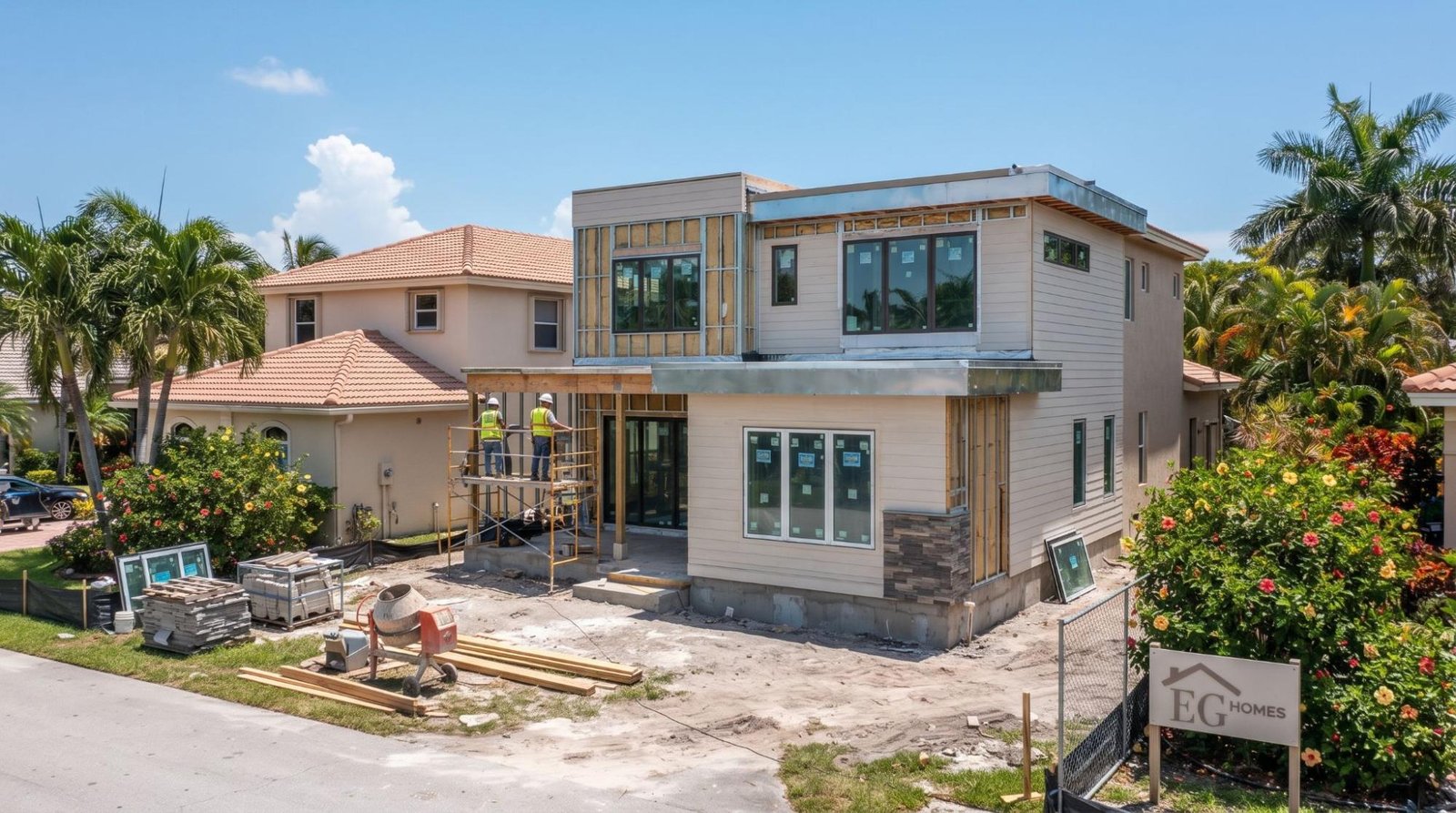
Second-story additions. On tight lots where you can’t push the footprint out, going up is the answer. It’s a bigger structural undertaking, but it can double usable space without touching the yard or the pool deck.
Family room and kitchen extensions. Opening the back of the house into a larger great room with better sightlines to the yard is one of the most requested projects in this market, especially for homes with pool decks that feel disconnected from the interior.
The Remodeling Magazine Cost vs. Value Report for the South Atlantic region consistently shows mid-range additions recovering a meaningful share of their cost at resale, with primary suite and family room projects usually leading the pack. Local numbers vary, but the pattern holds.
What a Home Addition Actually Costs in Boynton Beach

Straight talk: cost ranges in South Florida are wider than most online calculators suggest, because of hurricane code, impact windows, and site conditions specific to Palm Beach County.
As a working guide for 2026:
- Simple bump-outs (100–200 sq ft, no plumbing): $250–$400 per square foot
- Standard room additions (200–500 sq ft, minor plumbing): $350–$500 per square foot
- Master suite or in-law additions with full bath: $450–$650 per square foot
- Second-story additions: $500–$750 per square foot due to structural reinforcement
Why the premium over national averages? Three reasons. Florida Building Code (7th Edition) requires wind-load engineering that inland states don’t. Impact-rated windows and doors run two to three times the cost of standard units. And on many older Boynton lots, foundation and roof-tie-in work reveals surprises once demo starts, think outdated electrical panels, non-permitted prior work, or termite damage.
A serious Boynton Beach home builder will walk you through these variables before quoting, not after. Anyone throwing out a per-square-foot number over the phone without seeing the property is guessing.
Timeline Reality: From First Sketch to First Coffee in the New Room
Homeowners consistently underestimate this part. A realistic Boynton timeline looks like:
- Design and engineering: 6–10 weeks
- Permitting through City of Boynton Beach Development Services: 8–14 weeks (varies with reviewer backlog)
- Construction: 3–6 months depending on scope
- HOA review, if applicable: add 2–6 weeks running parallel to permitting
Total: roughly 7 to 12 months from first meeting to move-in. Second-story projects and additions requiring zoning variances can push longer. Kitchen and bath additions layered on top of the base structure add time for cabinet lead times and finish selections.
If you’re targeting a specific event, a wedding, a family reunion, a school year, start conversations 12 months out, not three.
The Neighborhood Factor: Where in Boynton Matters
Boynton isn’t one market, it’s several. Where your house sits changes what makes sense to build:
West Boynton (Hunters Run, Indian Spring, Aberdeen, west of Jog Road): Larger lots, active HOAs, and stricter architectural review. Additions here need to match community aesthetic guidelines closely, tile roofs, stucco finishes, specific color palettes. Budget extra design time.
Central Boynton (Leisureville, Golfview Harbour, Chapel Hill): Mostly single-story ranch stock from the 60s–80s. Great candidates for master suite additions, family room extensions, and garage conversions. Fewer HOA hurdles.
Coastal District (east of Federal Highway toward the Intracoastal): Smaller lots, higher land value, tighter setbacks. Second-story additions are often the most feasible way to add real square footage.
Quantum Park / Renaissance Commons area: Newer construction, so additions are less common, but pool enclosures, casitas, and outdoor living expansions are popular. If you’re also planning a pool project, coordinating with a pool contractor in Boynton Beach at the same time saves months and prevents rework.
The right builder should know these neighborhoods well enough to flag issues before design starts, not during permitting.
How to Sequence Related Projects Without Losing Your Mind
An addition rarely happens in isolation. Owners often want new fencing, a resurfaced pool, updated landscaping, or a kitchen refresh at the same time. The order matters more than most people realize.
General sequence that works:
- Structural addition (foundation, framing, roof tie-in, dry-in)
- Mechanical rough-in (electrical, plumbing, HVAC extension)
- Interior finishes and cabinetry
- Exterior repairs, paint match, and any driveway or hardscape work
- Fencing: bring in your fence contractor in Boynton Beach, FL after heavy equipment is done rolling through the yard
- Landscaping restoration
Trying to do fencing or landscape work before the addition is finished usually means paying twice. Same story with pool resurfacing: schedule it after the addition dries in, not before.
If you’re weighing an addition against buying new construction in Boynton Beach, get quotes on both. A candid builder will tell you if your home is a bad candidate for expansion (sometimes it is) and point you toward a new build instead. That kind of honesty is worth more than any sales pitch.
Ready to Talk Through Your Project?

There’s no substitute for a real conversation about your specific house, your lot, and what you’re trying to accomplish.
If you’re weighing an addition against moving, or you already know you want to build on and just need a builder who knows Boynton, reach out for a no-pressure consultation. You’ll get a straight answer on feasibility, a realistic timeline, and a ballpark number based on your actual property, not a generic online calculator.
For homeowners who want to dig into the underlying building requirements before that first meeting, the Florida Building Commission’s official code resources are the authoritative reference for wind-load, impact-glass, and structural standards that shape every addition in Palm Beach County.
FAQs
How much does a home addition cost in Boynton Beach?
For 2026, most projects fall between $350 and $650 per square foot depending on complexity, plumbing needs, and finish level. Simple bump-outs come in lower; second-story and master suite additions run higher because of structural reinforcement and impact-rated openings. A site visit is the only way to get a reliable number.
Do I need a permit for a room addition in Boynton Beach?
Yes. The City of Boynton Beach Development Services requires permits for essentially all additions involving structural, electrical, plumbing, or HVAC work. Skipping permits creates real problems at resale and can trigger stop-work orders. Most reputable builders manage the permit process for you.
Is it cheaper to add on or buy new construction in Boynton Beach FL?
It depends on your existing home and lot. If you own well-located land and your current structure is sound, adding on is usually more economical than moving once you factor in closing costs, moving expenses, and current new-home pricing. If the existing house has major issues, working with an experienced Boynton Beach home builder on new construction may pencil out better.
How long does a home addition take from start to finish?
Plan for 7 to 12 months total, including design, permitting, and construction. Second-story additions and projects needing zoning variances take longer. Start planning at least a year before any hard deadline you’re working toward.
How do I get started with EG Homes Florida on my Boynton addition?
Send a quick note through the contact page with your address, a rough idea of what you want to add, and your timeline. You’ll get a callback within one business day to schedule a free consultation and site walk. No pressure, no hard sell, just a real conversation about whether the project makes sense for your house.