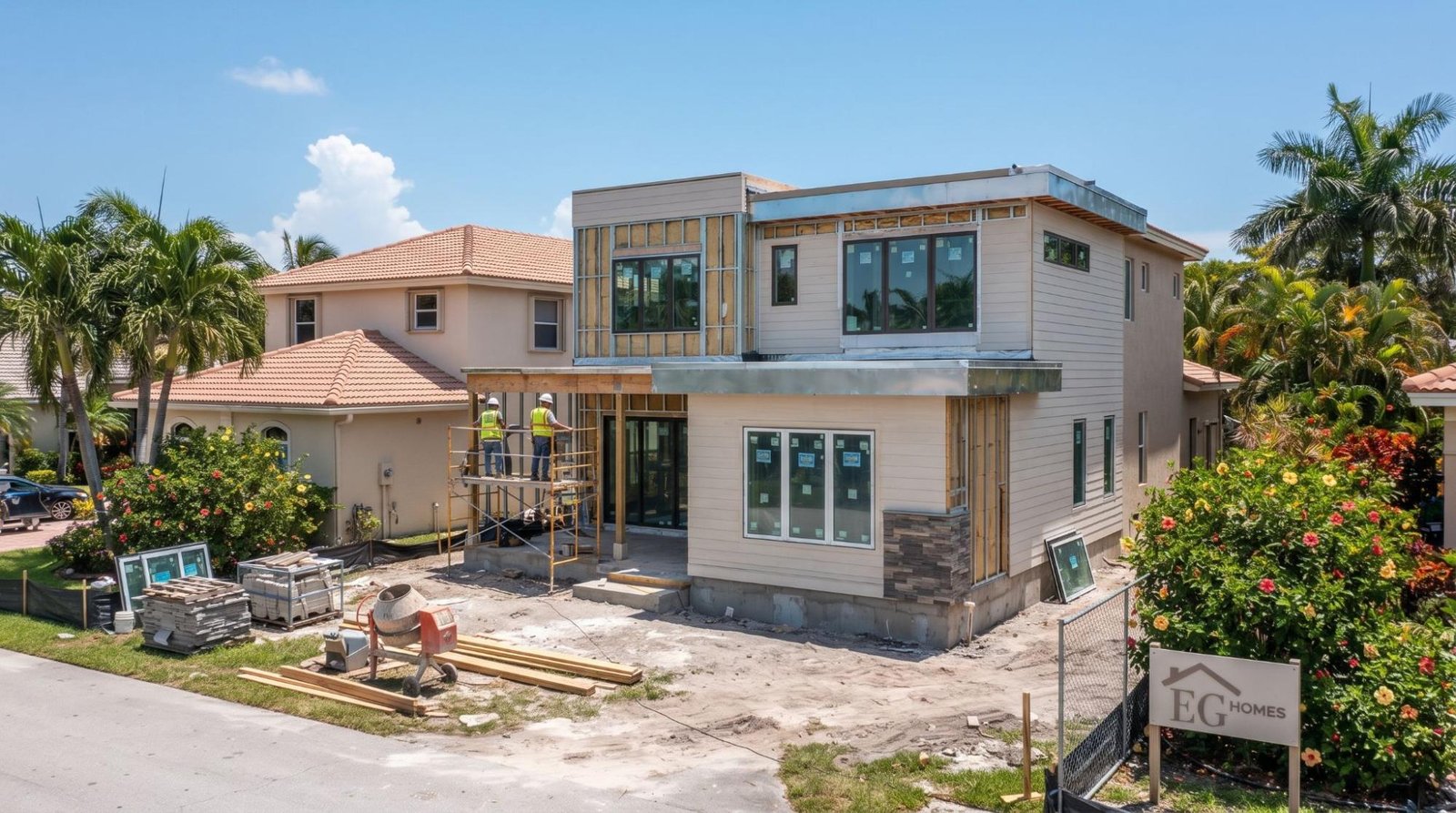
he foundation is the most critical part of any home because it supports the entire structure above it. A properly built foundation ensures long-term strength, stability, and safety. In South Florida, companies like EG Homes Florida (Delray Beach) follow strict construction standards to ensure foundations are designed to handle soil conditions, moisture levels, and local building codes.
This guide explains the complete foundation construction process step by step simply and practically.
1. Soil Testing Before Foundation Construction
Before any construction begins, soil testing is carried out.
This helps determine the strength, density, and moisture level of the ground. In areas like South Florida, this step is especially important due to varying soil conditions.
Based on the results, engineers decide the most suitable foundation type for the home.
2. Types of House Foundations Explained
Different homes require different foundation types depending on soil and structure:
- Shallow foundations: Used where soil near the surface is strong enough
- Deep foundations: Used when stronger support is needed deeper in the ground
Builders like EG Homes Florida select the foundation type based on engineering requirements and site conditions.
3. Excavation for House Foundation
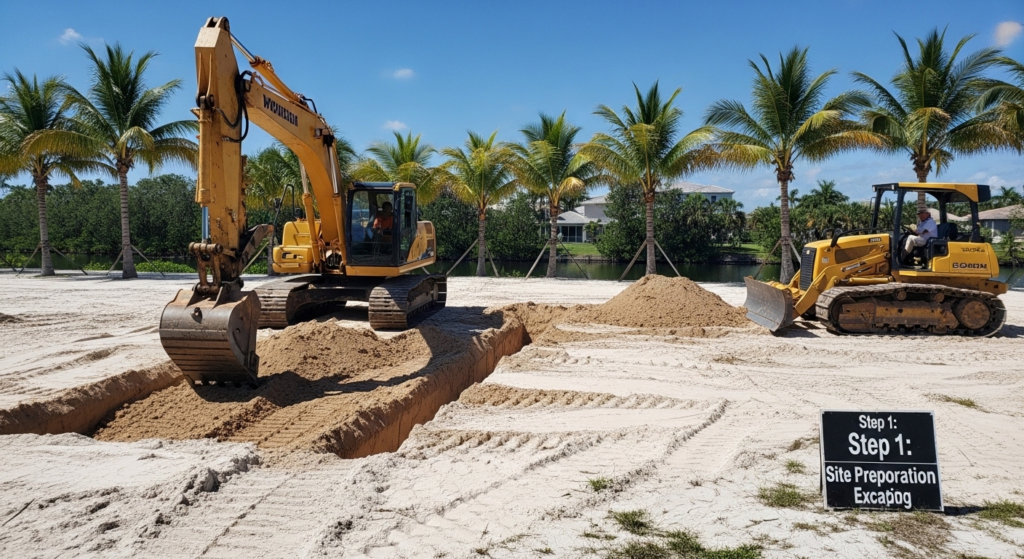
Once planning is complete, excavation begins.
The ground is dug according to the house layout to prepare space for footings and the foundation structure.
This step ensures the base is level and ready for concrete work.
4. Foundation Laying Process in Construction
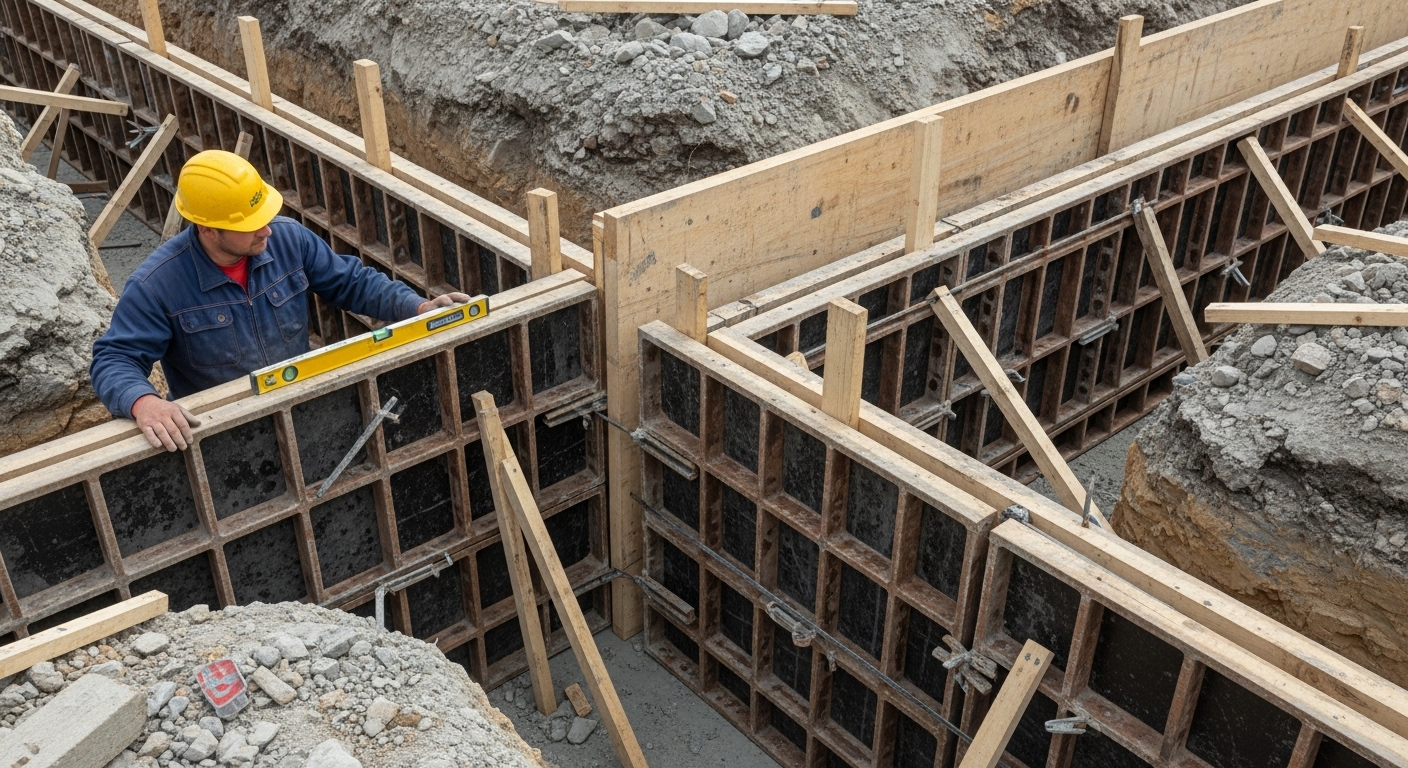
After excavation, the foundation layout is marked precisely.
Concrete footings are then installed to distribute the building load evenly. These footings form the base support for walls and structural columns.
This stage defines the strength and shape of the entire home.
5. Foundation Reinforcement Process Explained
Steel reinforcement bars (rebar) are placed inside the foundation structure.
This reinforcement increases durability and prevents cracking under pressure. Proper placement of steel is essential for long-term structural stability.
Experienced contractors like EG Homes Florida ensure reinforcement is done according to engineering standards.
6. Concrete Foundation Construction Steps
Once reinforcement is complete, concrete is poured into the structure.
The concrete is leveled carefully to avoid air gaps and ensure uniform strength. After pouring, the foundation begins its initial hardening process.
This step forms the solid base of the entire house.
7. Curing Process in Concrete Foundation
Curing is the process of keeping concrete moist so it gains maximum strength.
This stage is critical because it directly affects durability and performance. Poor curing can weaken the entire foundation.
Proper curing ensures the structure remains strong for decades.
8. Foundation Slab Construction Method
In slab foundations, a single large concrete slab is poured across the entire base of the house.
This method is commonly used in residential construction projects across South Florida due to its efficiency and stability.
It provides a smooth, solid base for the structure above.
9. House Footing Construction Explained
Footings are the widened base sections of the foundation.
They help distribute the weight of the structure evenly into the ground, preventing settlement or shifting over time.
Strong footings are essential for long-term structural safety.
10. Foundation Strength and Stability Factors
Several factors determine foundation strength:
- Soil condition and testing results
- Proper excavation depth
- Quality of concrete and steel reinforcement
- Accurate construction techniques
- Proper curing process
Companies like EG Homes Florida ensure each of these factors is carefully managed during construction.
Conclusion
 The foundation is the backbone of any home. From soil testing to curing, every step must be executed with precision to ensure long-term stability and safety. In South Florida, professional builders like EG Homes Florida (Delray Beach) follow strict construction standards to deliver strong and durable residential foundations.
Need a reliable contractor for your next project? Contact us now and book your free consultation.
FAQs
- Why is the foundation so important in house construction?
The foundation supports the entire structure of the house. A strong foundation ensures stability, prevents structural damage, and increases the long-term durability of the home. - What is soil testing before foundation construction?
Soil testing is the process of analyzing the ground to determine its strength and suitability for construction. It helps engineers choose the right type of foundation for the site. - What are the main types of house foundations?
The two main types are shallow foundations and deep foundations. Shallow foundations are used for stable soil conditions, while deep foundations are used when stronger support is needed deeper underground. - What happens during the curing process of a concrete foundation?
Curing involves keeping the concrete moist for several days so it can gain full strength. Proper curing prevents cracks and ensures the foundation becomes strong and durable.
5. How do builders ensure foundation strength and safety?
Builders ensure strength through proper soil testing, correct excavation depth, high-quality concrete, steel reinforcement, and careful curing. Professional companies like EG Homes Florida follow strict standards for quality control.