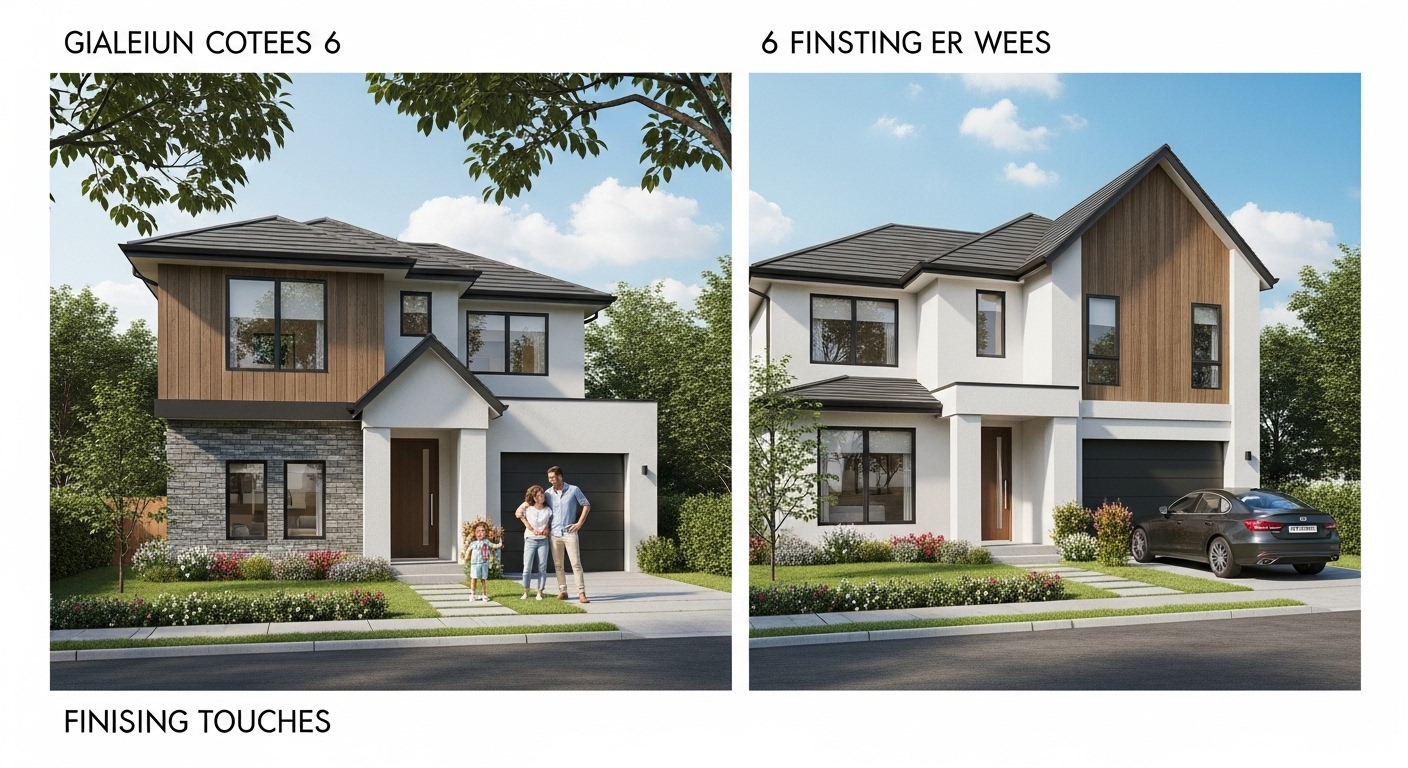
Building a house is a structured process that becomes much easier to understand when broken into clear steps. For first-time homeowners, especially in regions like South Florida, having a proper checklist helps avoid mistakes, control costs, and ensure the project moves smoothly from planning to completion.
This guide explains the full residential construction process in a simple, practical way so you know exactly what to expect at each stage.
1. Planning Your Home Before Anything Else
The first step is always planning. This is where your entire project is shaped.
You decide what type of home you want, how many rooms you need, and what layout fits your lifestyle. At this stage, architects turn your ideas into drawings and floor plans.
You also define your budget, which includes construction costs, materials, permits, and unexpected expenses. Proper planning prevents delays later in the project.
2. Choosing Land and Understanding Site Conditions
If you don’t already own land, selecting the right plot is a critical step.
You need to consider location, accessibility, soil condition, and future value. In construction-heavy regions like South Florida, soil testing is often required to ensure the land can safely support a structure.
A good site selection directly affects construction cost and stability.
3. Getting Permits and Legal Approvals
Before construction begins, all necessary permits must be approved by local authorities.
These permits ensure that your house design meets building codes, safety regulations, and zoning laws. Without this step, construction cannot legally proceed.
This stage may take time depending on local regulations, so it should be planned early.
4. Preparing the Construction Site
Once approvals are complete, the land is prepared for building.
This includes clearing vegetation, leveling the ground, and marking the exact layout of the house. Excavation is also done at this stage to prepare for the foundation.
This step converts an empty plot into an active construction site.
5. Laying the Foundation
The foundation is one of the most important parts of the entire house.
Concrete is poured into prepared trenches and reinforced with steel bars for strength. This creates a stable base that supports the entire structure.
A strong foundation ensures the home remains durable and resistant to environmental stress.
6. Building the Structure (Framing Stage)
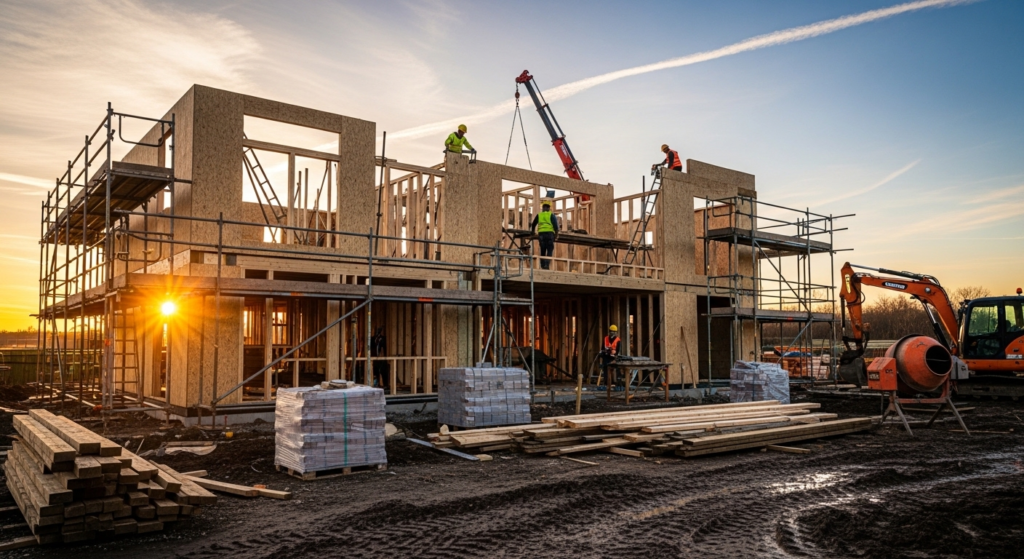
After the foundation is ready, the house starts to take shape.
Walls, floors, and roof structures are built using wood or steel. This is the stage where the layout of rooms becomes visible.
Framing gives the house its skeleton and defines its overall structure.
7. Installing Plumbing and Electrical Systems
Once the structure is in place, internal systems are installed.
This includes water supply lines, drainage systems, electrical wiring, and circuit installations. These systems are placed inside walls and floors before finishing work begins.
Everything is tested carefully to ensure safety and functionality.
8. Roofing the House
The roofing stage protects the house from weather conditions.
Roof structures are installed first, followed by materials such as shingles, tiles, or concrete slabs. Waterproofing is added to prevent leaks and moisture damage.
A properly built roof ensures long-term protection and energy efficiency.
9. Interior Finishing Work
Now the house begins to look complete from the inside.
Walls are plastered and painted, flooring is installed, and doors and windows are fitted. Kitchen cabinets, bathroom fixtures, and lighting systems are also added.
This stage transforms the structure into a livable home.
10. Final Inspection and Quality Check
Before the house is handed over, a detailed inspection is carried out.
All systems—structural, electrical, plumbing, and finishing—are checked for quality and safety. Any issues are fixed before approval.
This ensures the home is fully ready for occupancy.
11. Moving Into Your New Home
Once everything is approved, the house is officially handed over.
Homeowners receive documentation, warranties, and keys. At this point, the construction process is complete, and the house becomes a functional living space.
Conclusion
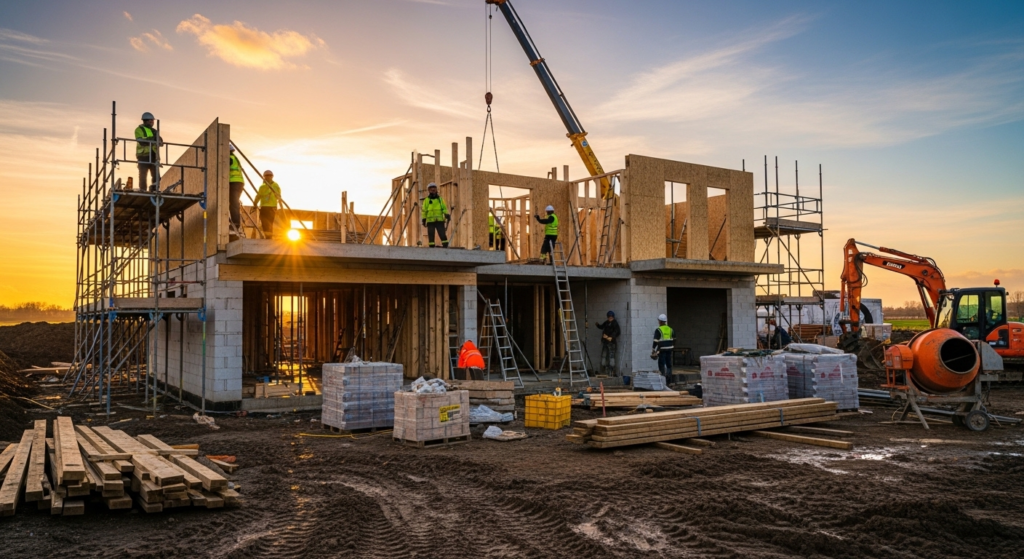 Building a house step by step helps simplify a complex process into manageable stages. From planning and permits to final inspection, every step plays a crucial role in delivering a safe, durable, and well-designed home.
For first-time homeowners, understanding this process ensures better decisions, smoother execution, and a more successful construction experience.
Need a reliable contractor for your next project? Contact us now and book your free consultation.
FAQs
- What are the basic steps to build a house?
The basic steps include planning and design, land selection, permit approval, site preparation, foundation work, framing, plumbing and electrical installation, roofing, interior finishing, and final inspection. - How long does it take to build a house from start to finish?
Typically, it takes 6 to 12 months depending on design complexity, permit approvals, weather conditions, and availability of materials and labor. - What should I do before starting house construction?
Before construction, you should finalize your budget, select land, prepare architectural designs, and obtain all required permits from local authorities. - Why is the foundation stage so important in house construction?
The foundation supports the entire structure of the house. A strong and properly built foundation ensures stability, durability, and resistance to environmental factors. - What happens during the final inspection of a new home?
Final inspection checks structural quality, plumbing systems, electrical safety, and finishing work. Any issues found are corrected before the home is approved for handover.