Building a home is not just a technical process—it’s a journey that transforms an empty piece of land into a fully functional living space. In South Florida, this journey is especially structured due to local building codes, climate considerations, and design expectations.
Companies like EG Homes Florida in Delray Beach manage this entire process end-to-end, ensuring homeowners experience a smooth transition from concept to completion. This guide walks through what actually happens behind the scenes during a real house construction project.
1. From Empty Land to a Vision
Every home starts with a simple piece of land. At this stage, there is no structure—only potential.
Homeowners usually begin by sharing their vision: how many rooms they need, what style they prefer, and how the space should function. This is where ideas start turning into a real plan.
In South Florida, builders also consider environmental factors such as heat, humidity, and storm resistance while shaping the design concept.
2. Turning Ideas into a Real Design
Once the vision is clear, architects and designers convert it into a proper blueprint.
This includes floor plans, room layouts, structural design, and exterior styling. Every detail is carefully planned so the home is both functional and visually appealing.
During this phase, homeowners often make adjustments until the design matches their expectations. This is one of the most important parts of the entire journey because everything built later depends on it.
3. Preparing the Land for Construction
After the design is finalized, the empty land begins its transformation.
The site is cleared, leveled, and prepared for construction. Soil conditions are checked to ensure the ground can support the structure properly.
Layout markings are then placed on the land, showing exactly where the house will sit. At this point, the project starts shifting from planning to physical reality.
4. The Foundation Comes to Life
The first major visible change happens when the foundation is built.
Concrete is poured into carefully prepared areas, reinforced with steel to create strength and durability. This stage is critical because everything above it depends on how strong the foundation is.
Slowly, the outline of the house begins to appear on the ground, giving homeowners their first real sense of scale.
5. Watching the Structure Rise (Framing Stage)
This is the most exciting part of the journey for many homeowners.
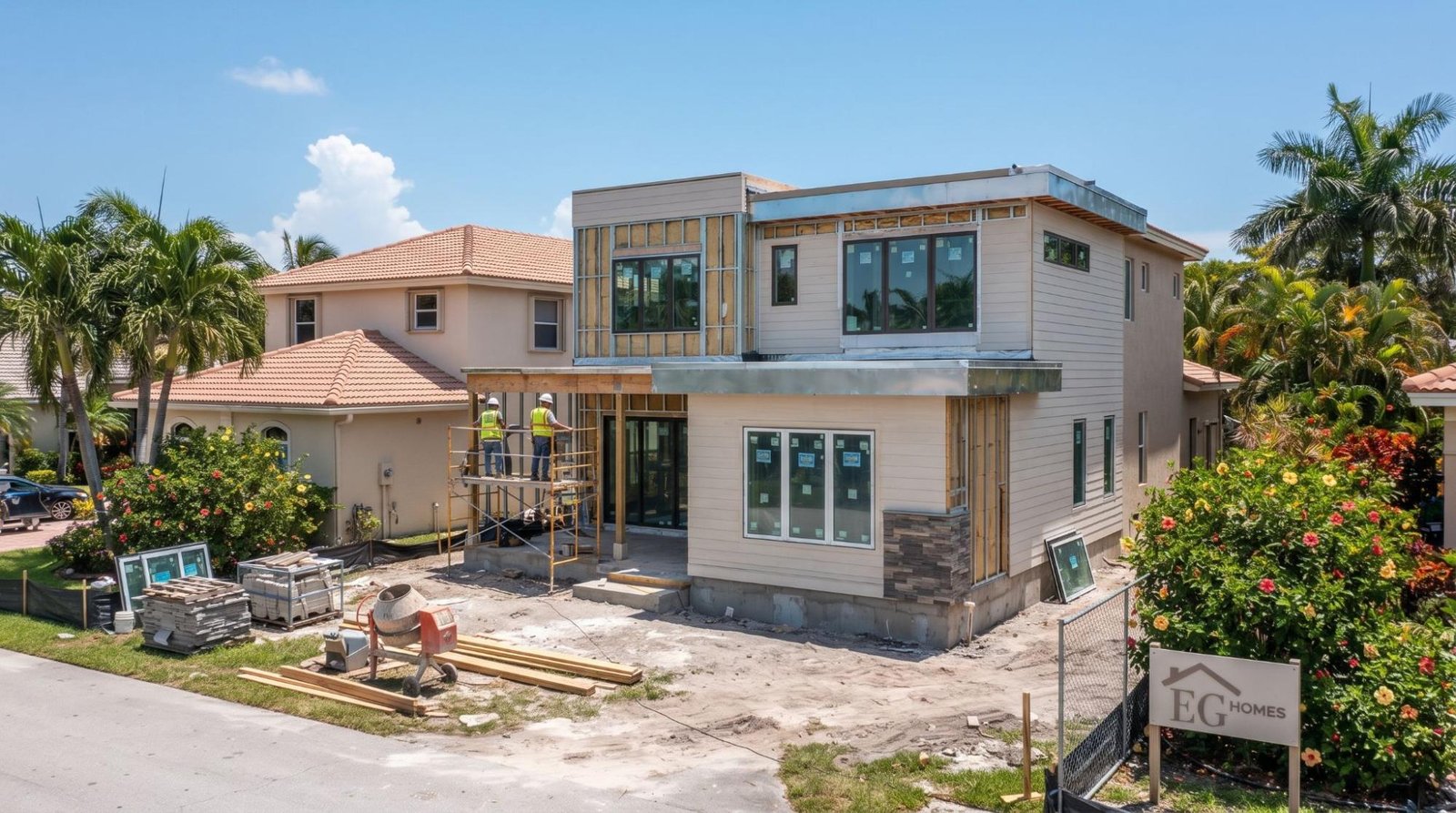
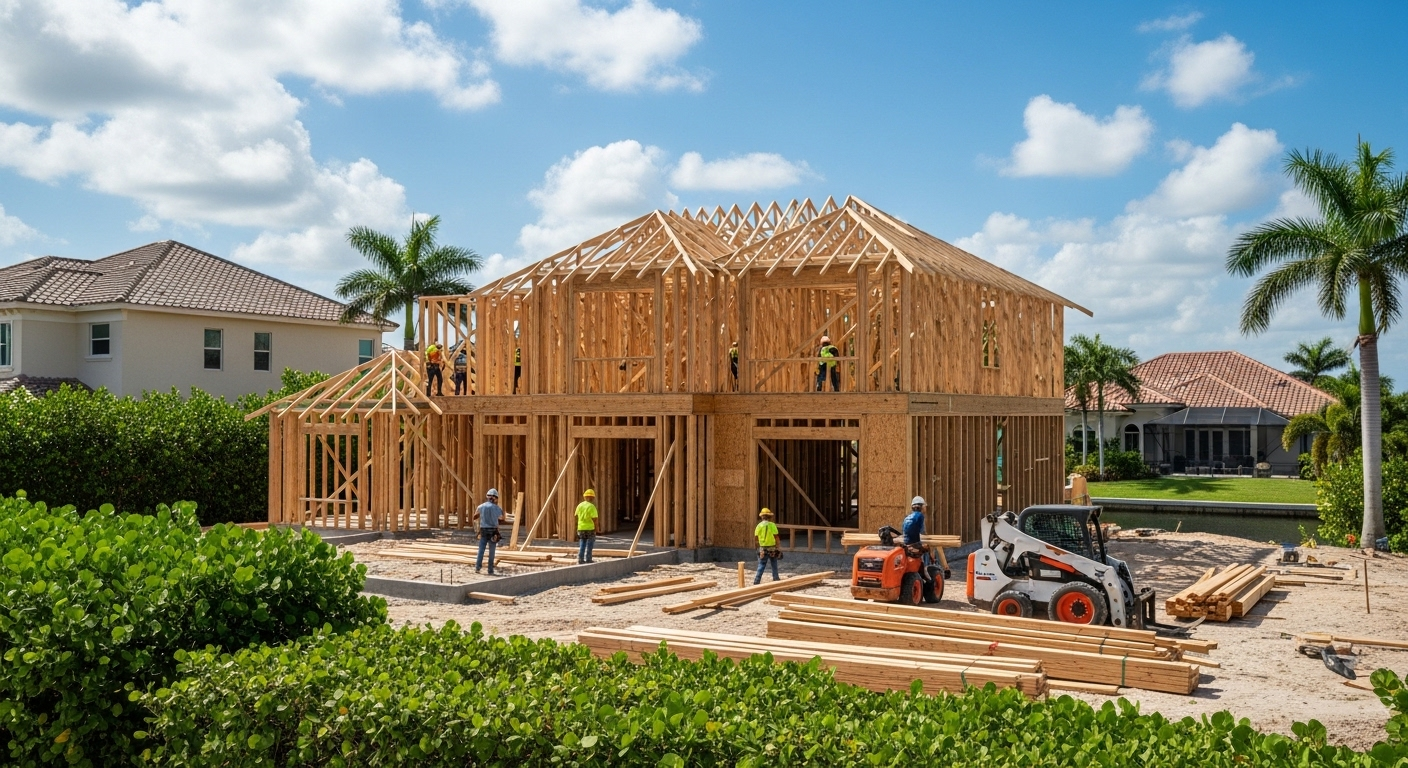
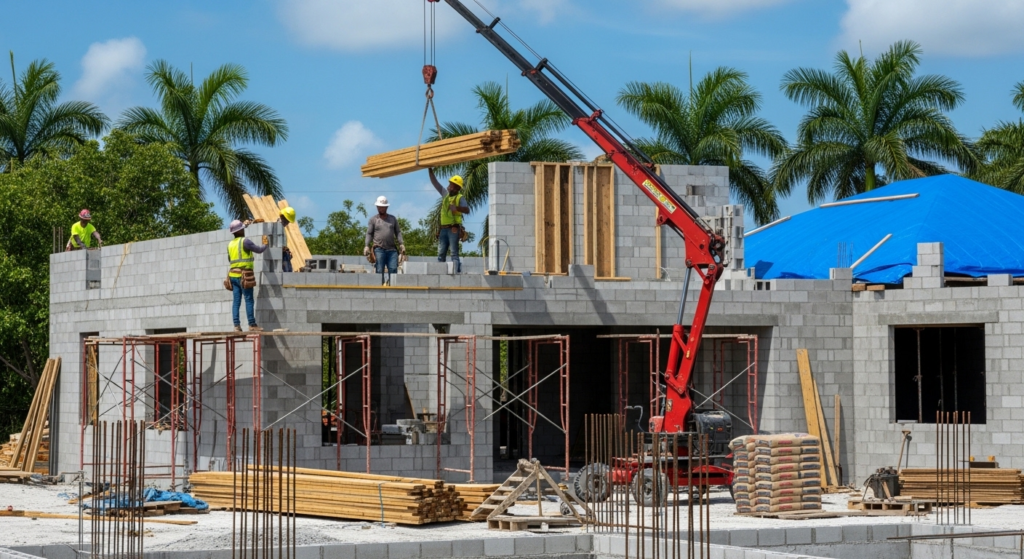
Walls start going up, rooms take shape, and the skeleton of the house becomes visible. Wooden or steel frames define the structure, including bedrooms, living areas, and open spaces.
At this stage, the empty land has clearly transformed into a house-in-progress. You can now physically walk through the layout and understand how each space connects.
6. The House Gets a Protective Shell (Roofing)
Once the structure stands, the roof is installed to protect everything inside.
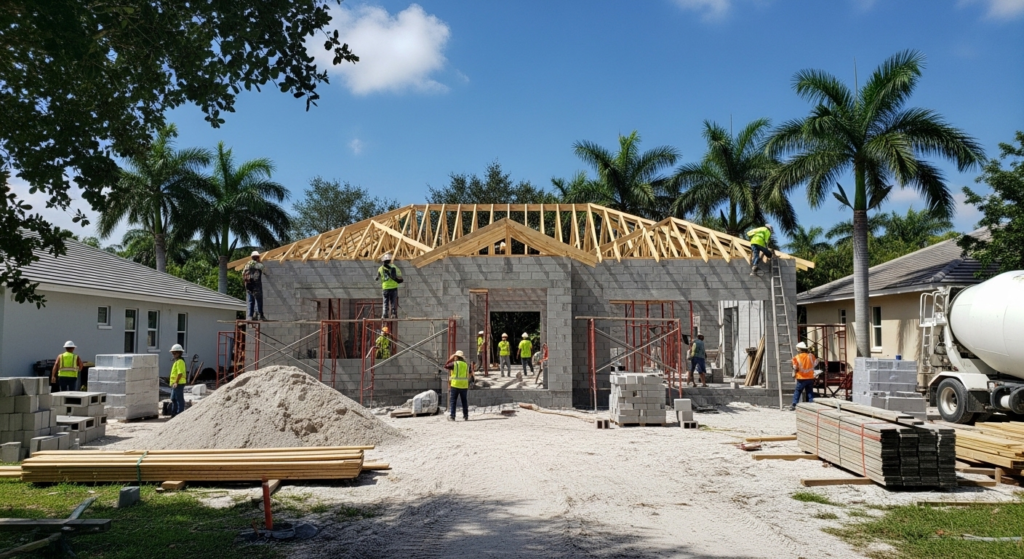
Roof trusses are placed first, followed by roofing materials suited for South Florida weather conditions. Waterproofing layers are added to protect against heavy rain and humidity.
At this stage, the house starts feeling enclosed and secure.
7. Inside Systems Begin (Hidden Work Phase)
After the structure is enclosed, the hidden systems are installed inside the walls.
This includes plumbing lines, electrical wiring, and HVAC systems. These elements are not visible once the house is finished, but they are essential for daily living.
Builders carefully test each system to ensure safety and proper functionality before moving forward.
8. Interior Transformation Begins
Now the house starts becoming a home.
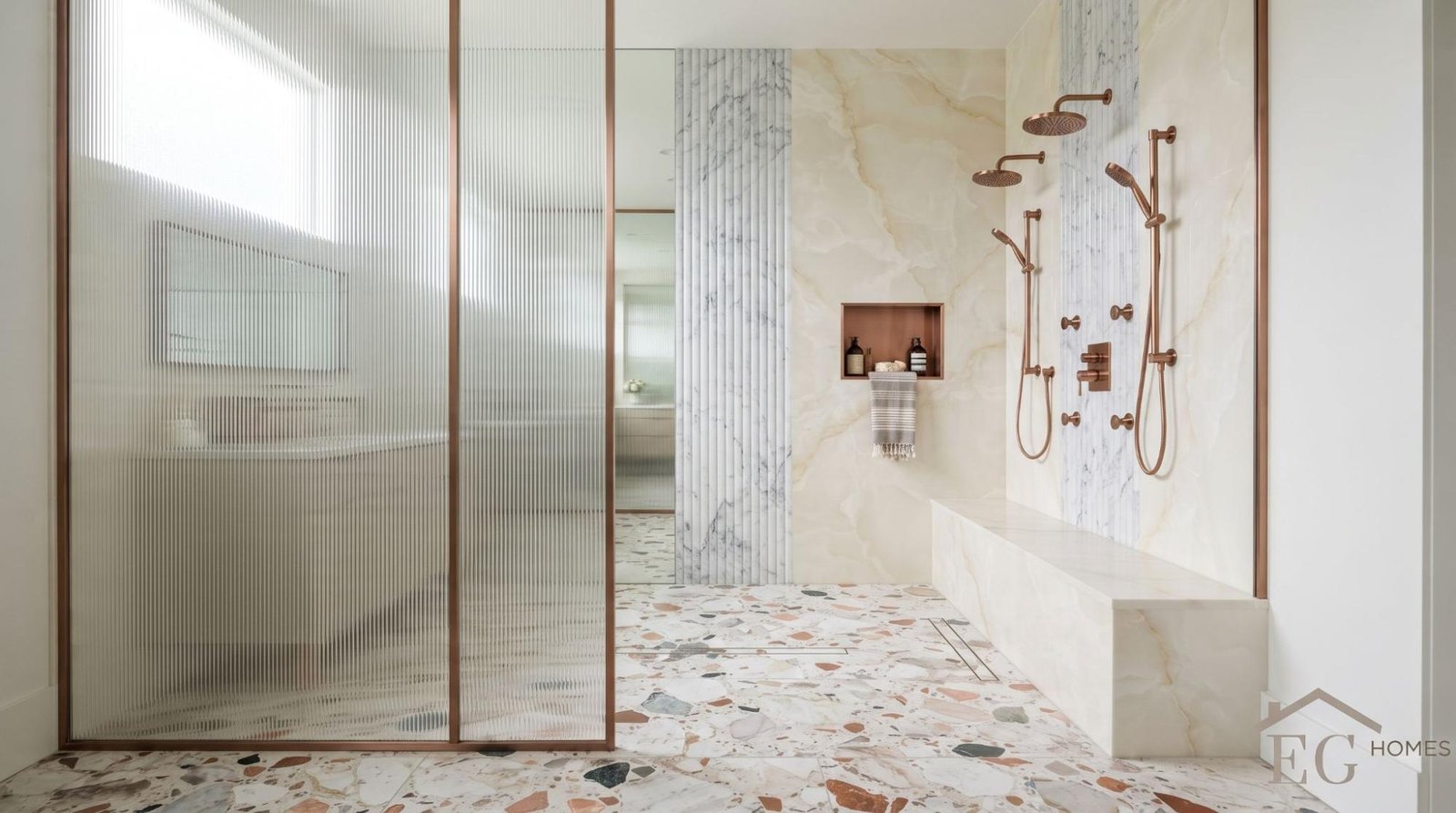
Walls are finished, painted, and smoothed. Flooring is installed, whether tile, wood, or other materials. Cabinets, doors, windows, and fixtures are added one by one.
Lighting is installed to bring life and warmth into the space. At this stage, the house begins reflecting the homeowner’s personality and style.
9. Final Touches and Detailing
The final phase focuses on small but important details.
Every corner is refined, surfaces are cleaned, and finishing touches are completed. This is where the house transitions from “almost ready” to “ready to live in.”
Even minor adjustments are made to ensure everything looks and functions perfectly.
10. Final Inspection and Completion
Before handing over the home, a full inspection is carried out.
Structural quality, plumbing, electrical systems, and finishing work are all checked thoroughly. Any remaining issues are corrected before approval.
Once everything meets required standards, the home is officially completed and ready for occupancy.
11. Moving Into a Finished Home
The final moment of the journey is the handover.
Homeowners receive all documentation, warranties, and keys to their new home. What started as an empty plot of land is now a fully functional, beautifully built living space.
For many, this is not just a construction project—it is the realization of a long-held dream.
Conclusion
 The journey from empty land to a finished home is a step-by-step transformation that combines planning, engineering, craftsmanship, and attention to detail. In South Florida, companies like EG Homes Florida (Delray Beach) ensure this journey is smooth, structured, and built to last.
Understanding this process helps homeowners appreciate each stage and stay confident throughout their construction experience.
Need a reliable contractor for your next project? Contact us now and book your free consultation.
FAQs
- What is the complete journey of building a house from start to finish?
It starts with planning and design, followed by site preparation, foundation work, framing, roofing, installation of plumbing and electrical systems, interior finishing, final inspection, and then handover of the completed home. - How long does the full home construction journey usually take?
On average, it can take 6 to 12 months depending on the design complexity, permits, weather conditions, and availability of materials and labor. - What happens first when building a house on empty land?
The first step is land preparation. The site is cleared, leveled, and tested to ensure the soil can safely support the structure before any construction begins. - When does a house start to look like a real home during construction?
The house starts to take visible shape during the framing stage, when walls, rooms, and the overall structure become clearly defined. - What is included in the final inspection before moving into a new home?
Final inspection includes checking structural quality, plumbing, electrical systems, safety standards, and finishing details. Any issues are fixed before the home is approved for handover.