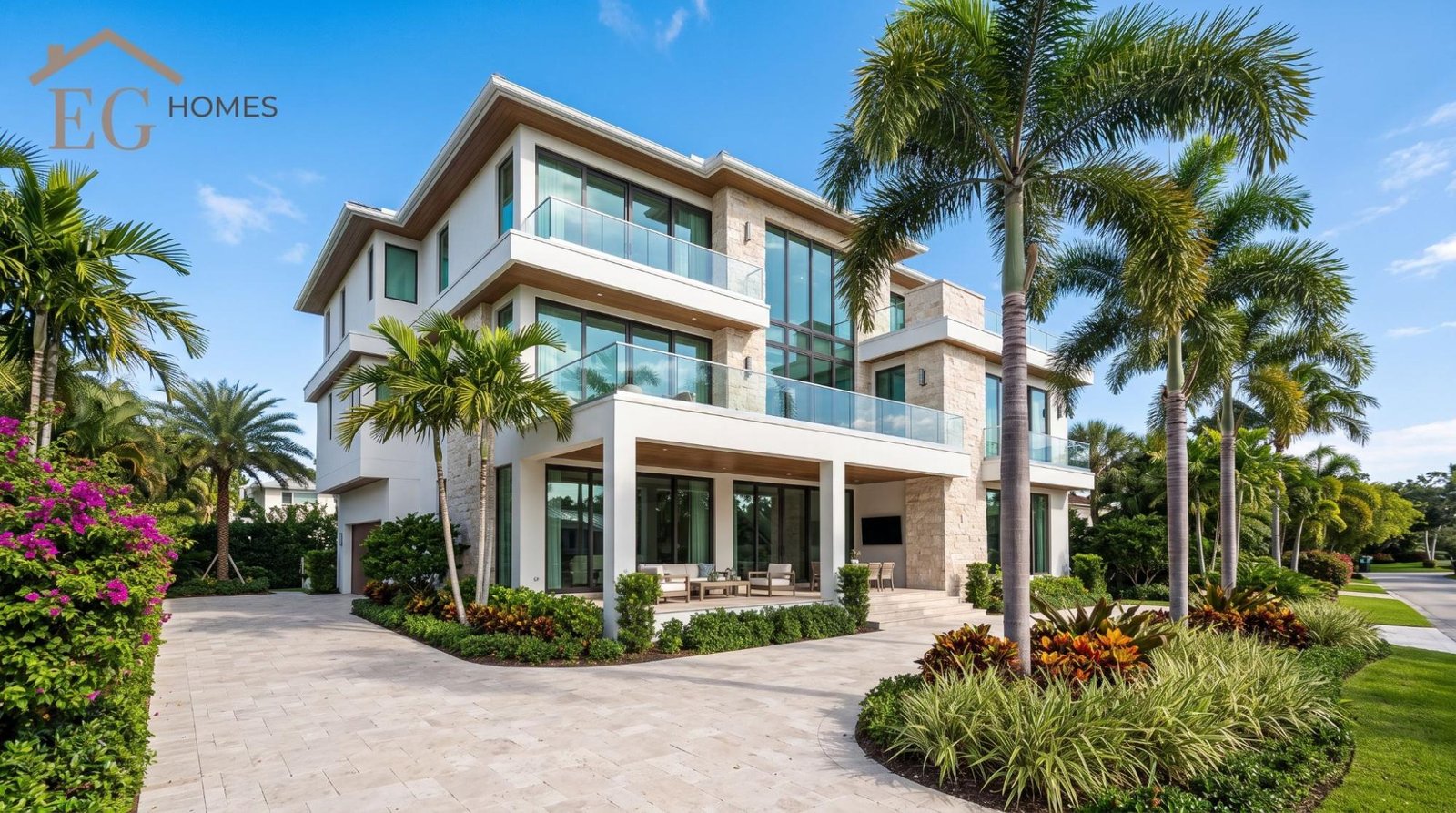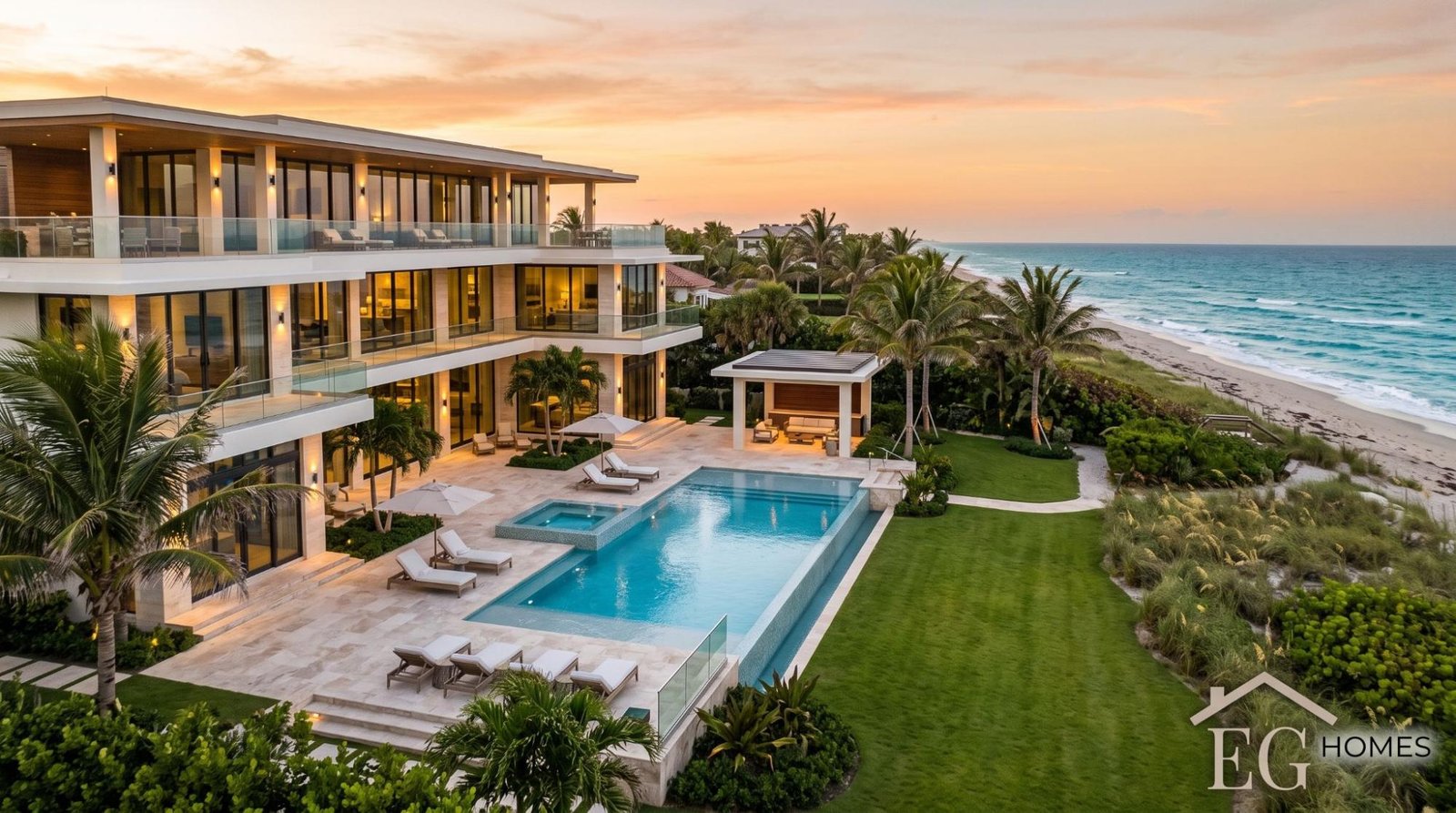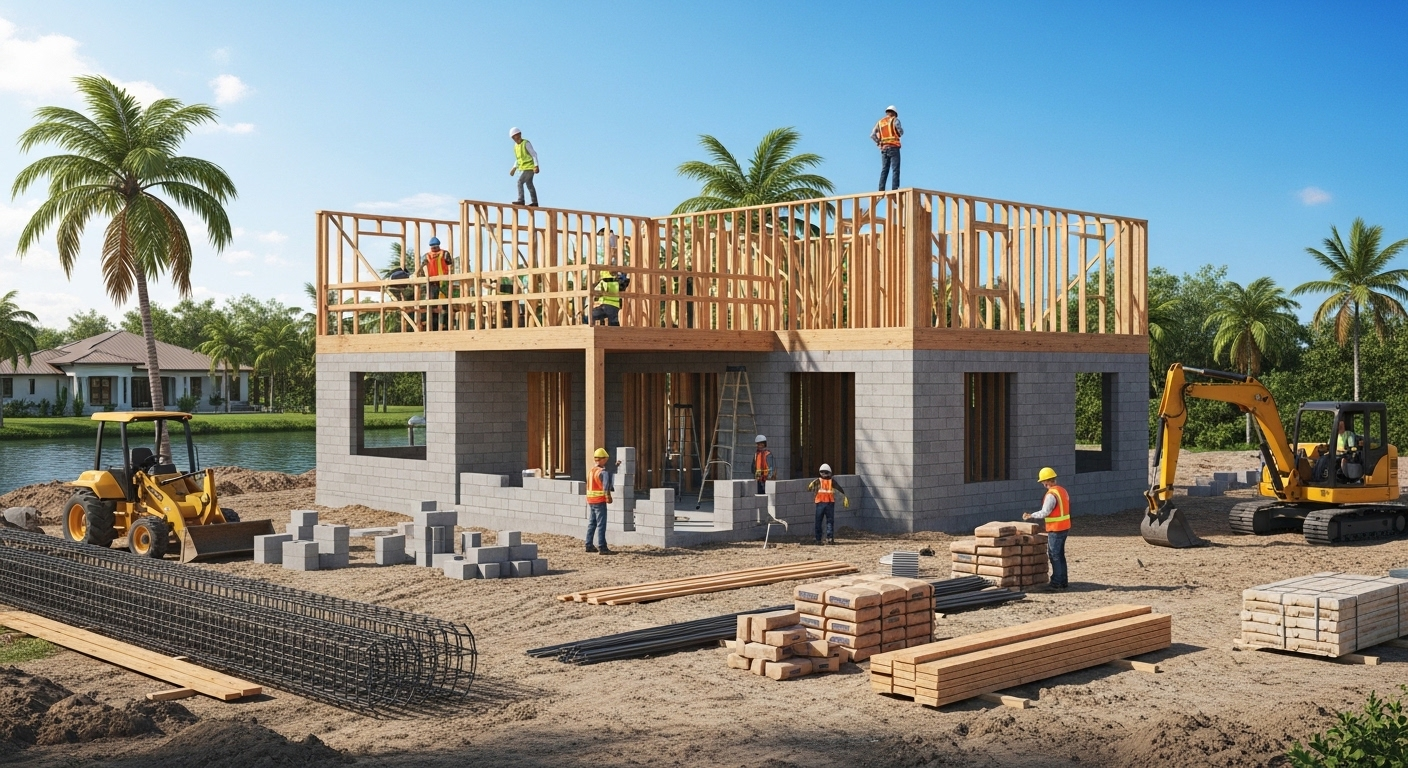
Building a house in South Florida is a major investment that requires careful planning, skilled execution, and attention to local building standards. Companies like EG Homes Florida in Delray Beach specialize in guiding homeowners through every stage of this process, from initial design to final handover.
Understanding how a house is built step by step helps homeowners make informed decisions and ensures the final result is safe, durable, and aligned with expectations.
1. Planning and Design Stage
Every successful project begins with detailed planning.
In South Florida, this stage includes selecting the land, creating architectural designs, and ensuring compliance with local building codes and hurricane-resistant construction requirements.
Homeowners often work with builders like EG Homes Florida to finalize layouts, choose materials, and prepare construction drawings.
Permits and approvals from local authorities are also secured before any physical work begins. Budget planning is completed at this stage to avoid unexpected costs during construction.
2. Site Preparation and Excavation
Once planning is complete, the land is prepared for construction.
Th e site is cleared of vegetation, debris, or existing structures. After clearing, excavation begins to prepare the ground for the foundation.
Soil testing is an important step in Florida due to varying ground conditions. It ensures the foundation design matches the soil strength and prevents future structural issues.
The layout of the house is marked accurately so the construction team can follow the approved design.
3. Foundation Construction Stage
The foundation is the most critical part of any home.
In South Florida construction, reinforced concrete foundations are commonly used due to weather and soil conditions.
Steel reinforcement bars are placed before concrete is poured to ensure strength and stability. Once poured, the foundation is left to cure properly.
A strong foundation ensures the home can withstand environmental conditions and remain structurally sound for decades.
4. Framing Stage (Structural Structure)
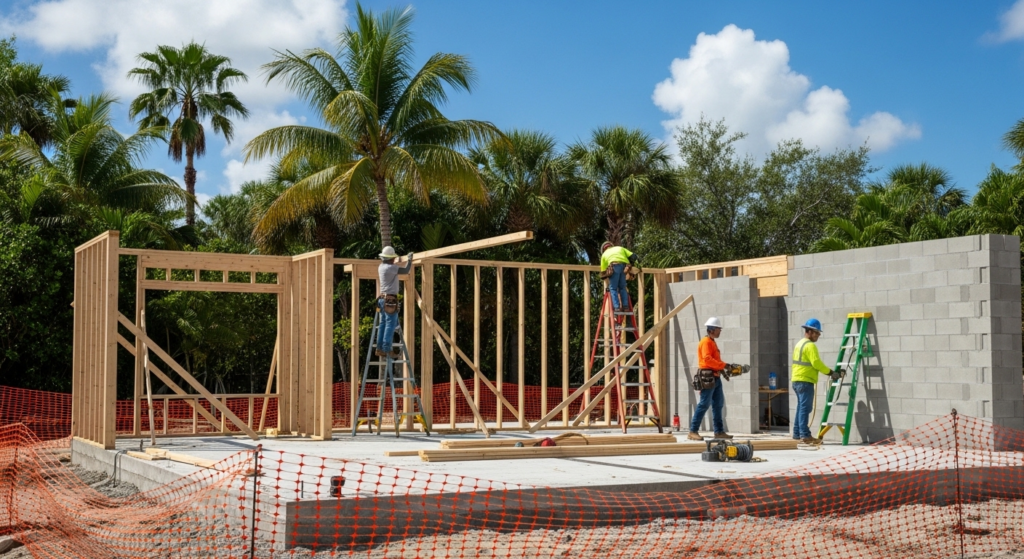 After the foundation is set, the framing stage begins.
This is where the house structure starts taking shape. Walls, floors, and roof frames are built using wood or steel depending on the design.
At this stage, homeowners can clearly see room layouts and the overall structure of the house.
Proper framing is essential because it supports the entire building and ensures long-term durability.
5. Roofing Process
Once framing is complete, the roofing stage protects the structure from weather conditions.
Roof trusses are installed first, followed by roofing materials such as shingles, tiles, or concrete systems commonly used in Florida homes.
Waterproofing is applied to prevent leaks, especially important in humid and rainy climates like South Florida.
Insulation is also added to improve energy efficiency and indoor comfort.
6. Plumbing and Electrical Installation
After the structure is enclosed, internal systems are installed.
Plumbing systems include water supply lines, drainage systems, and bathroom/kitchen connections.
Electrical work includes wiring, circuit installation, switchboards, and breaker panels. All installations follow strict safety standards and local codes.
This phase is completed before walls are closed and is thoroughly tested to ensure everything functions properly.
7. Interior Finishing Stage
This is the stage where the house becomes a home.
Walls are plastered, painted, and finished with smooth surfaces. Flooring is installed using tiles, wood, or other selected materials.
Doors, windows, cabinets, and kitchen fixtures are added. Lighting systems are installed to enhance both functionality and design.
At this point, the home starts reflecting the homeowner’s style and vision.
8. Final Inspection and Quality Check
Before handover, a final inspection is conducted.
Builders like EG Homes Florida ensure that all structural work, electrical systems, plumbing, and finishing details meet quality standards.
Any minor issues are corrected through a punch list process.
Once everything is approved, the home is cleared for occupancy.
9. Handover of the Home
After successful inspection, the house is officially handed over to the homeowner.
All necessary documentation, warranties, and certifications are provided.
At this stage, the homeowner receives a fully completed, safe, and ready-to-move-in home built to South Florida standards.
Conclusion
 Building a house in South Florida is a structured process that requires expertise, planning, and quality execution at every stage. From foundation to final inspection, each step plays an important role in delivering a strong and lasting home.
Companies like EG Homes Florida, based in Delray Beach, ensure that homeowners receive professional guidance throughout the entire journey, making the construction process smoother and more reliable.
Need a reliable contractor for your next project? Contact us now and book your free consultation.
FAQs
1. What are the main stages of building a house in South Florida?
The main stages include planning and design, site preparation, foundation work, framing, roofing, plumbing and electrical installation, interior finishing, and final inspection. Each stage ensures the home is built safely and meets local building codes.
2. How long does it take to build a house in South Florida?
On average, building a custom home in South Florida can take 6 to 12 months depending on design complexity, permits, weather conditions, and material availability.
3. Why is the foundation stage important in house construction?
The foundation supports the entire structure of the home. A strong foundation ensures durability, stability, and resistance against soil movement and weather conditions common in Florida.
4. What happens during the framing stage of construction?
During framing, the skeleton of the house is built using wood or steel. This includes walls, floors, and roof structures, which define the layout and shape of the home.
5. What is checked in the final inspection of a new house?
Final inspection includes checking structural quality, plumbing, electrical systems, safety compliance, and finishing work. Any issues found are corrected before the home is officially handed over to the owner.